
Balram Yojana
Dr. Vaibhav Raut – Study Of Glycemic Parameters and Body Composition In Adolescent Boys In Kokan Region Dr. Ashish Gaikwad – Study Of Circulating Serum Copper ,Zinc And Lead Level And It’s Corelation With Hemogram In Adolescent Boys In Kokan Region Our research now includes both adolescent boys and girls. This page presents data specifically for adolescent boys alongside our ongoing adult diabetes research. We are actively researching adult diabetic patients with specific parameters including C-peptide, neuropathy, uric acid, homocysteine, and renal markers. Is there any difference in adolescent boys and girls body composition? Yes, significant differences exist in body composition between adolescent boys and girls: Our research is examining these differences to develop gender-specific prevention strategies. Measuring endogenous insulin production to distinguish between type 1 and type 2 diabetes Assessing nerve damage prevalence and severity in diabetic patients Investigating the relationship between hyperuricemia and diabetes complications Evaluating homocysteine as a risk factor for stroke in diabetic patients Identifying sensitive biomarkers for early detection of diabetic nephropathy Our adult research focuses on early detection and prevention of diabetes complications through specialized biomarkers and clinical assessments.Balram Yojana
Research Scope Questions
Why only girls? Why not boys?
Why not adult diabetic patients?
Body Composition Differences
Why only girls? Why not boys?
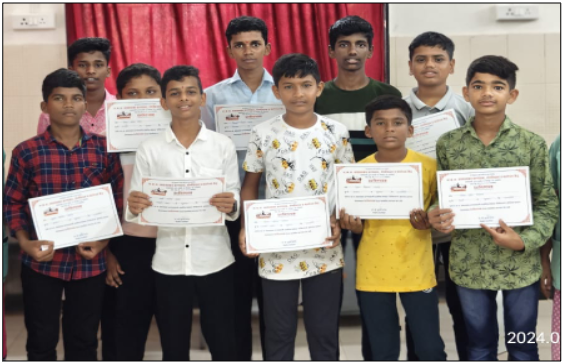
Adolescent Boys (n=94)
Research Parameters
Characteristics
Age (years)
14.4 (13.6-16.8)
Height (cm)
159.3 (148.2-165.5)
Stunted
16 (17.0 %)
Weight (kg)
42.2 (37.0-50.9)
low BMI < 18.5 (kg/m²)
48 (51.1%)
Homocysteine Hyper (≥15 µmol/l)
60.2%
Glucose (mg/dl)
98.2 (94.7-102.3)
Prediabetic (≥100 mg/dl)
34.0%
Insulin (μU/ml)
6.1 (4.2-8.5)
β cell function
66.9% (53.3-80.3)
Insulin Sensitivity
118.4 (84.1-172.8)
Insulin Resistance
0.8 (0.6-1.2)
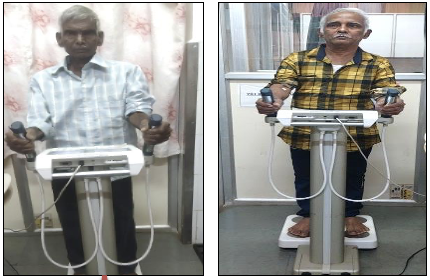
Adult Diabetic Patients
Research Parameters
C-peptide
Peripheral Neuropathy
Uric Acid in T2DM Patients
Homocysteine in Stroke Patients
Early Renal Markers in T2DM
Research Focus