Dervan Cohort
New Directions for Research in Diabetes in India The Harbinger of Future Diabetes: An Adolescent and Funded by Rajiv Gandhi Science & Technology Commission (RGSTC), Government of Maharashtra Sponsored by Rama Purushottam Foundation Adolescence is a critical phase of rapid growth that demands extra energy and nutrients. Inadequate nutrition during this period—especially among girls—can have serious, long-term health consequences. Poor growth and undernutrition in adolescence increase the risk of developing non-communicable diseases (NCDs) like diabetes, hypertension, and cardiovascular disease later in life. These effects may also be passed on to the next generation, influencing the health of their future children. The DERVAN Cohort is the first detailed, long-term study of its kind in the Konkan region. It aims to investigate the biological, nutritional, and cognitive profiles of adolescent girls, and to follow them—and their offspring—for 20 years. The ultimate goal is to identify early-life risk factors for diabetes and related NCDs, enabling preventive measures to be developed and implemented. Adolescent girls Years Ratnagiri district Covered 55 villages – 500 girls 87 villages – 498 girls 75 villages – 522 girls This research bridges the gap between adolescent health and the future risk of diabetes in India. By focusing on pre-conception health, the DERVAN Cohort study is redefining preventive strategies for NCDs, starting from the teenage years. These collaborations provide both financial and technical support, enabling Completed Ongoing Established In Progress Data analysis in progress to identify correlations between adolescent malnutrition and Risk markers for diabetes and other NCDs in adolescent girls Evidence-based recommendations for adolescent nutrition programs Strategies to break the cycle of malnutrition and chronic disease “From adolescence to adulthood – building a healthier future for Konkan’s girls and generations to come.” DERVAN Cohort
Preconception Health PerspectiveStage 1
Stage 2
Background & Purpose
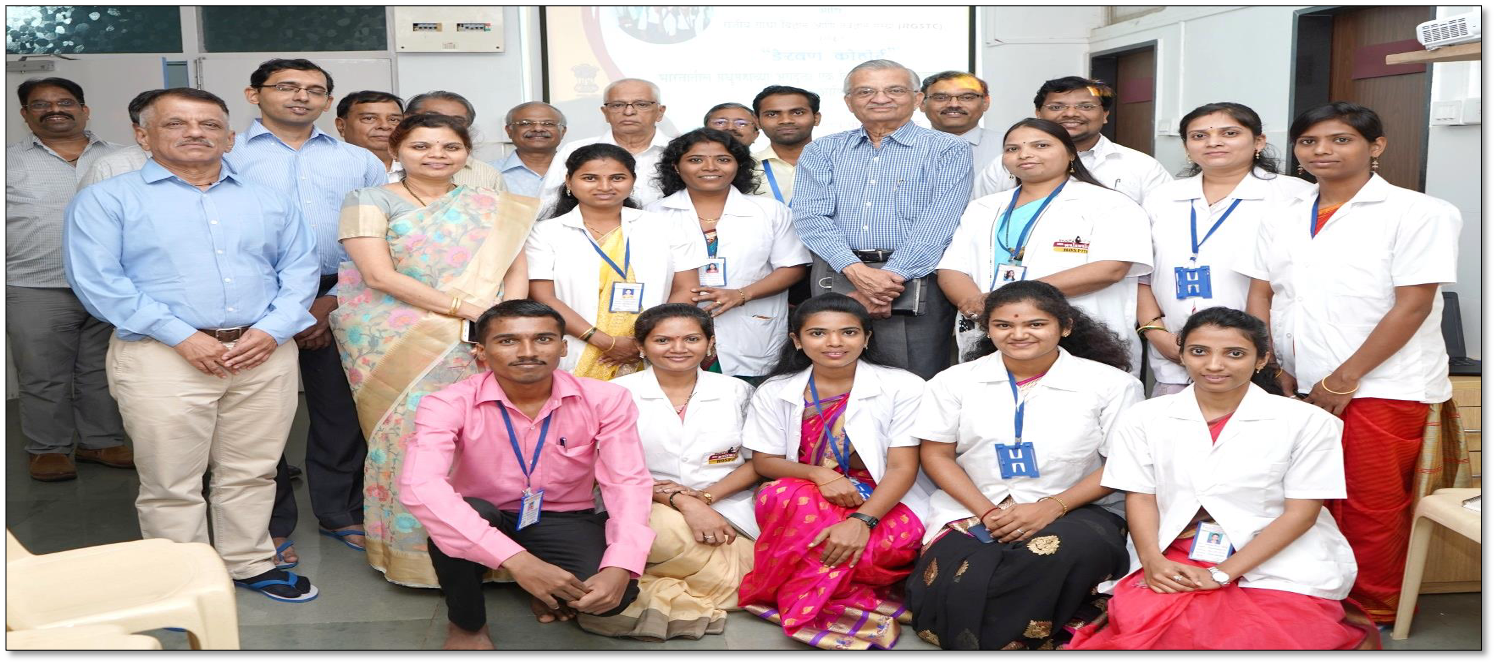
Study Design
Geographical Coverage
Guhagar
Sangmeshwar
Chiplun
Investigations Conducted
Body Composition
Biochemistry
hormonesOrgan Imaging
Bio-repository
Cognitive Assessment
Long-term Follow-up
nutrition on adult and intergenerational health
Significance
National & International Collaborations
National Partners
International Partners
advanced investigations and capacity-building in the region.
Current Status
Baseline Recruitment
Health Profiling
Bio-repository
Data Analysis
adult NCD risk.
Key Outcomes Expected
Early Identification
Policy Impact
Generational Health
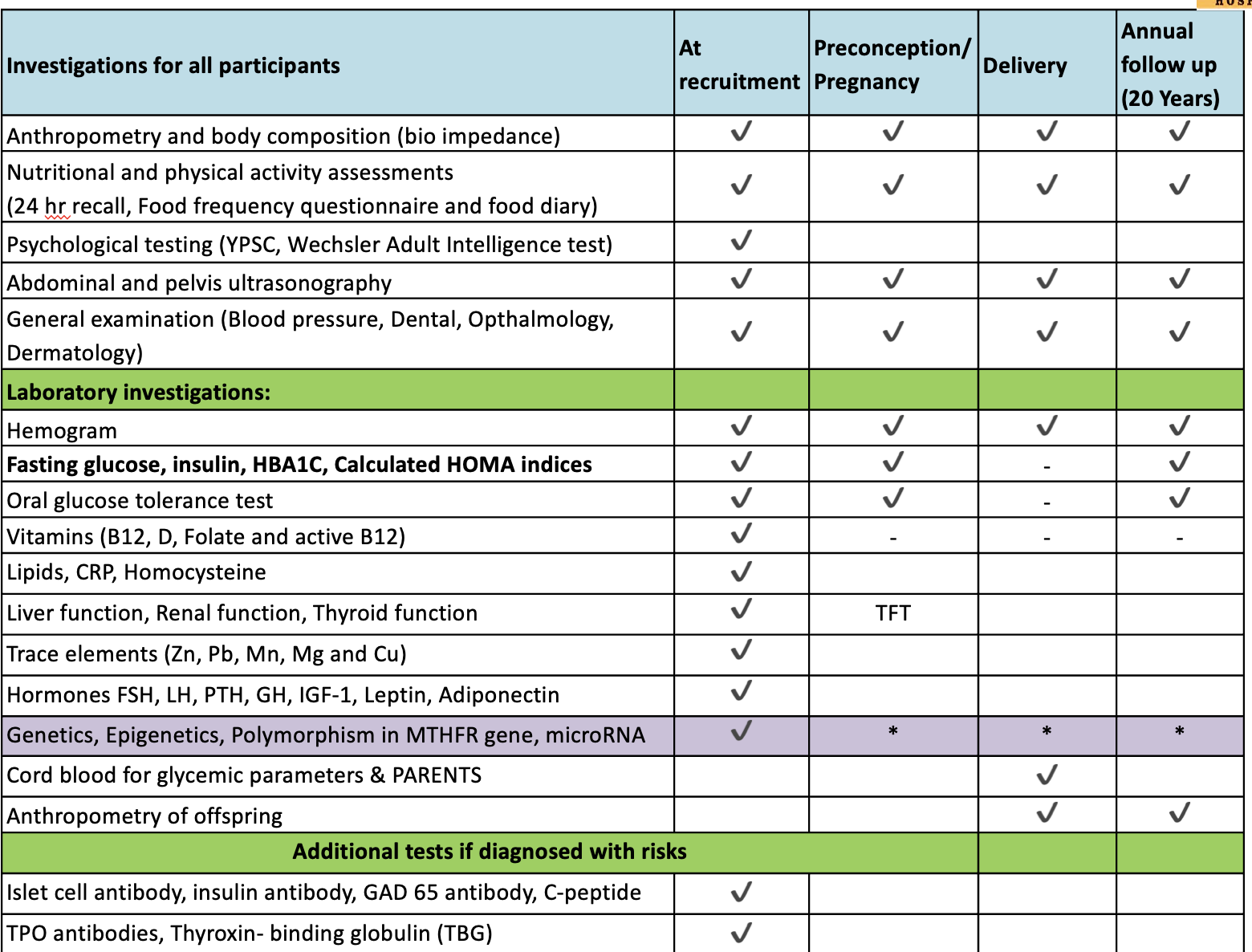
Investigations at the time of enrolment and follow up
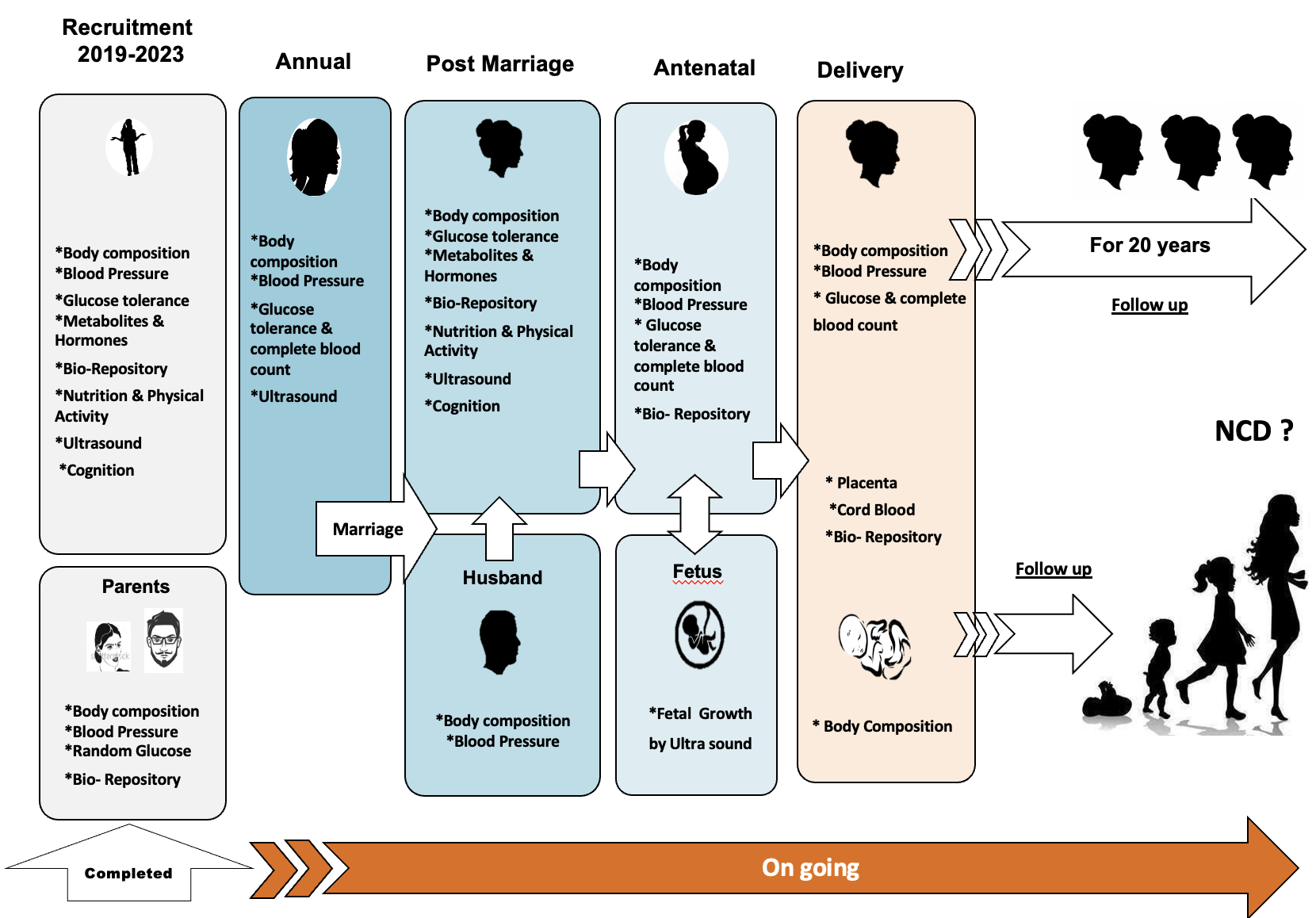
DERVAN cohort follow up schedule
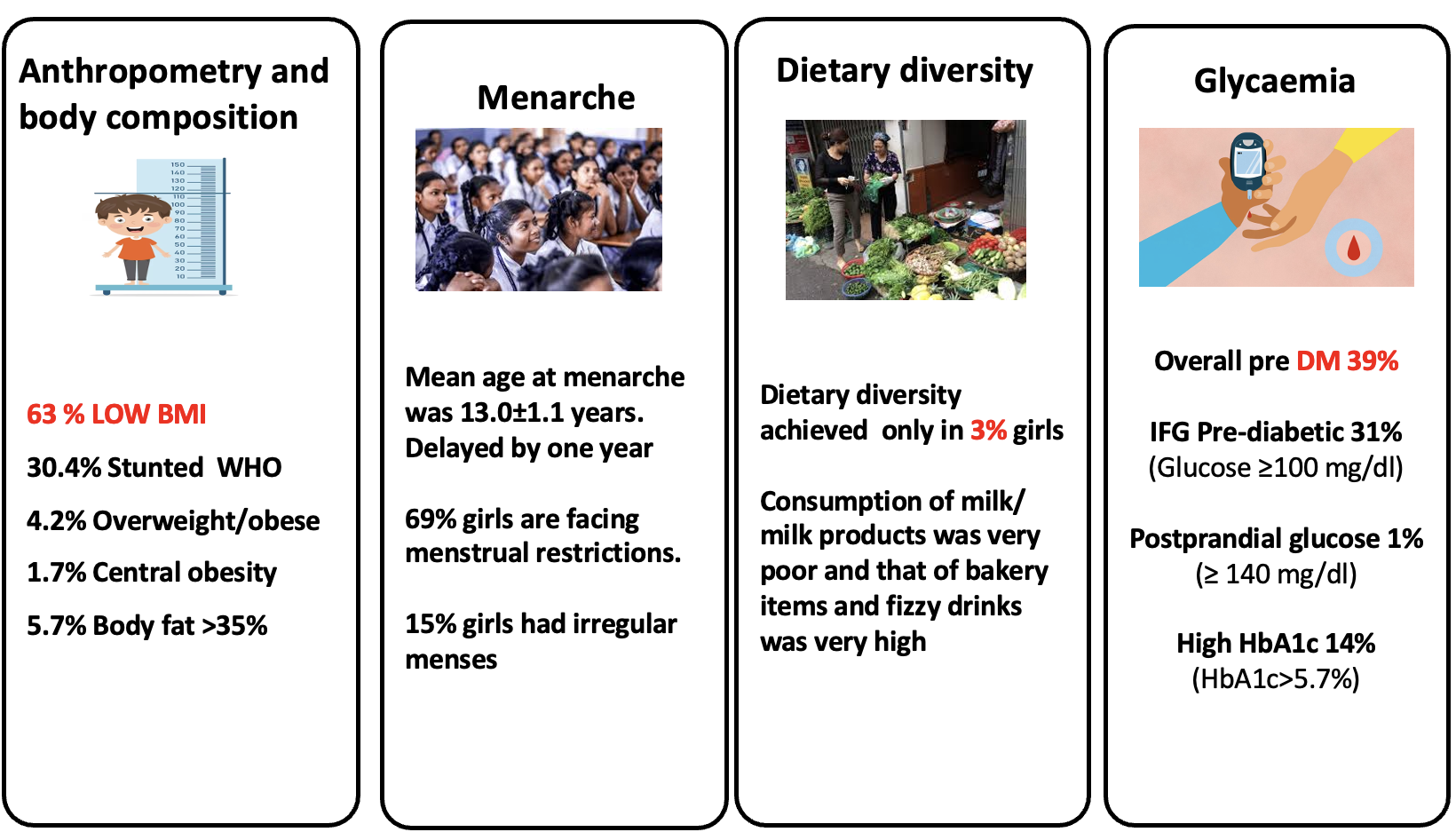
Results (n=1520)
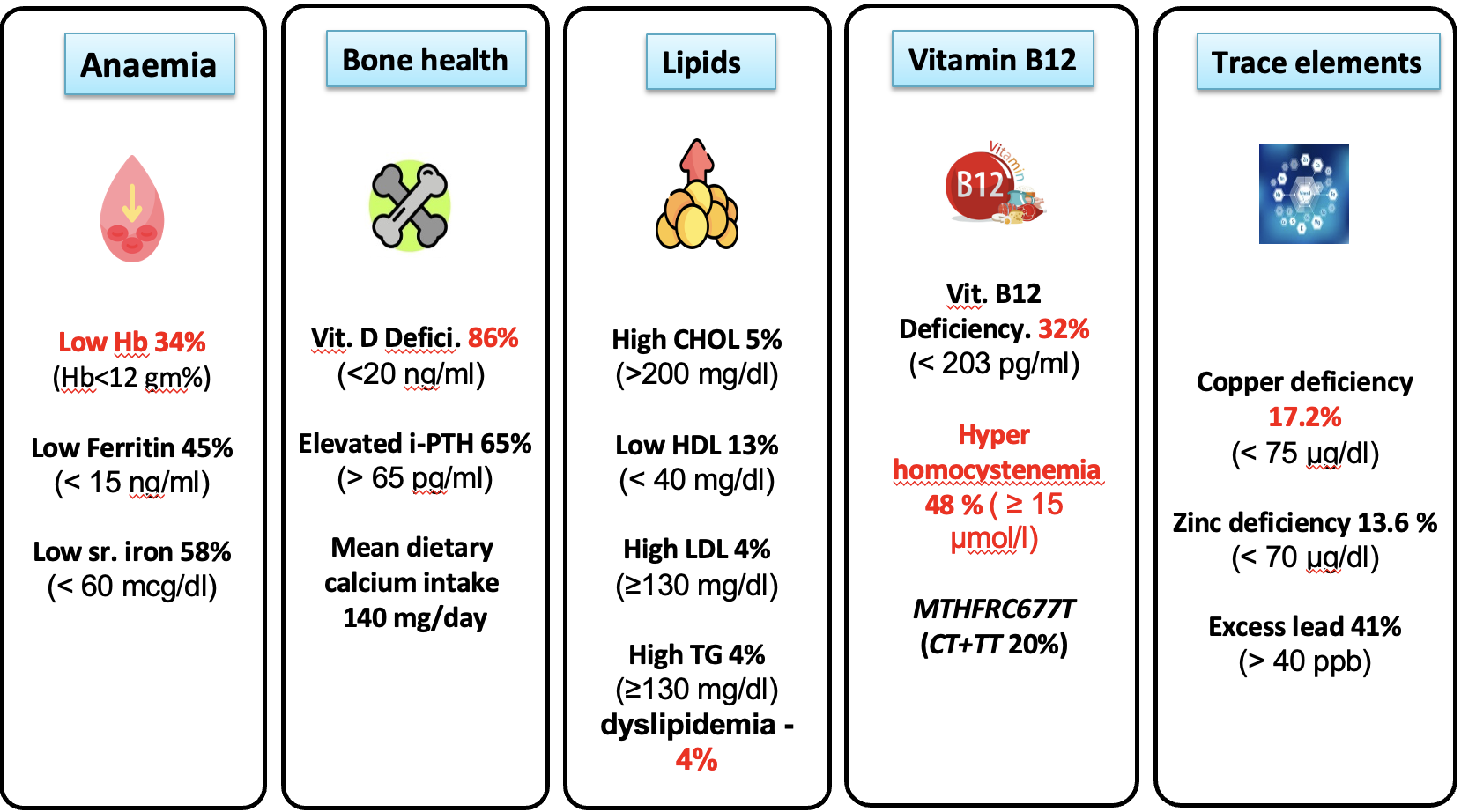
Biochemical Parameters (n=1520)